Boundary & data map
Site-by-site inventory of energy, fuel, materials, water and waste flows. Reconciliation of 14 ERP instances into a single line-item dataset. Materiality assessment against ESRS double-materiality criteria.

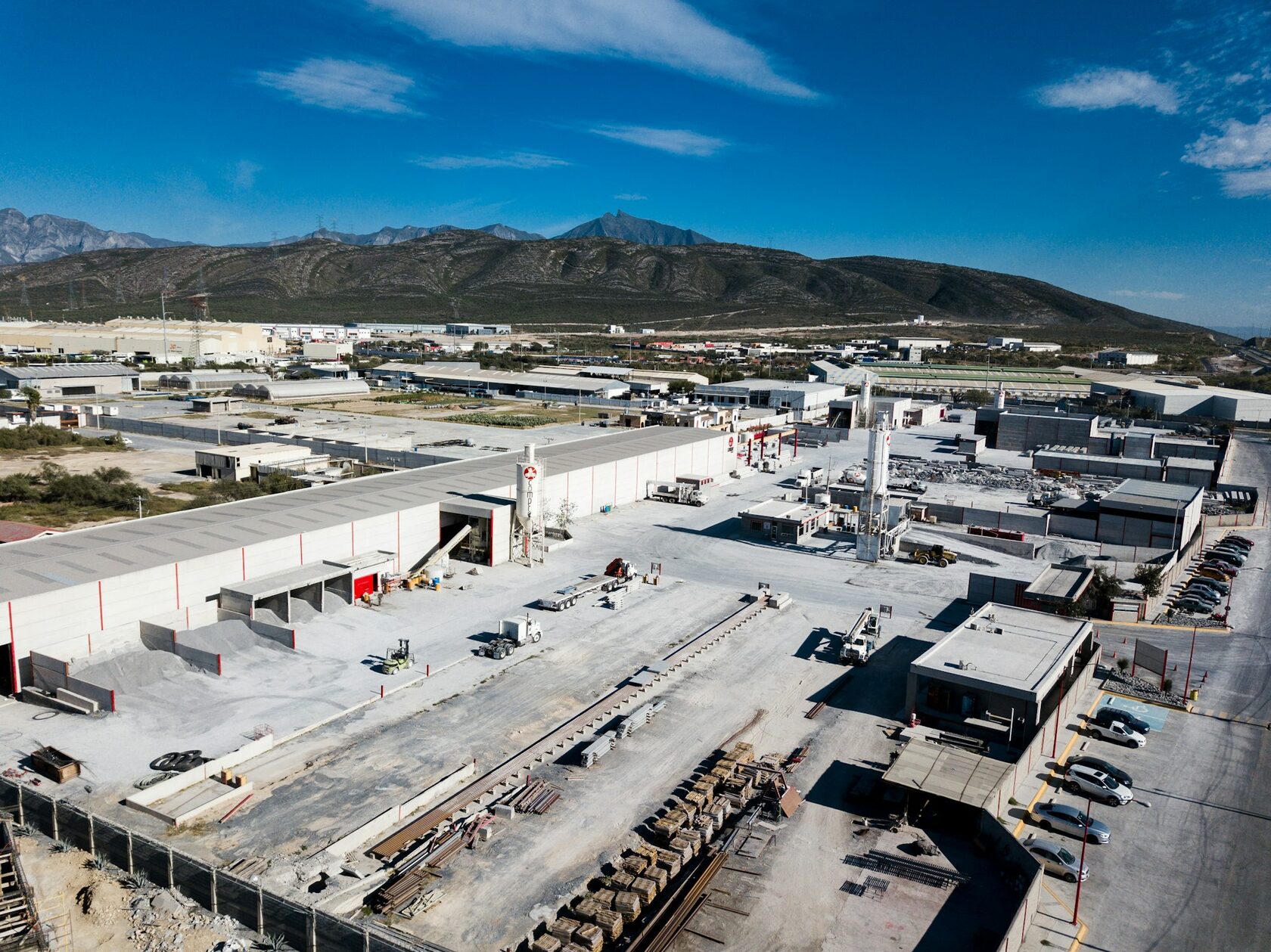
A Group-level ESG diagnostic across STRABAG's European operations — covering carbon accounting on 1,200+ active sites, waste-stream mapping under EU Circular Economy rules, and IED/IPPC permitting support for asphalt-mixing and concrete-batching plants. Delivered in 14 weeks.
STRABAG operates one of the largest construction footprints in Europe — from Alpine tunnels to North Sea port expansions. By 2024, group management needed a single, defensible view of environmental and social performance across more than 1,200 active project sites and a tier-1 supplier base of over 8,000 companies.
The brief had four hard requirements. First, a Scope-1, -2 and -3 greenhouse-gas inventory aligned with the GHG Protocol and auditable against ISO 14064. Second, a waste-management diagnostic mapping the 71 distinct waste streams generated across demolition, earthworks, asphalt and concrete operations, with diversion pathways against the EU Waste Framework Directive. Third, IED / IPPC permitting support for 34 installations — primarily asphalt- mixing and concrete-batching plants — including BAT (Best Available Techniques) reference document (BREF) gap analyses. Fourth, a readiness review against the European Sustainability Reporting Standards (ESRS) ahead of the CSRD's first reporting wave.
Existing reporting covered the corporate layer well — but stopped at the site boundary. Site-level data was fragmented across 14 ERP instances, three subcontractor management systems, and project managers' local spreadsheets. The audit had to reach into that layer without slowing operations.
"We needed evidence we could hand to an auditor on day one — not a deck we'd spend six months defending." — Group CFO, kickoff briefing
A field-first methodology: data was collected at site level before being reconciled at group. The audit team embedded with STRABAG's sustainability, environment and permitting functions to keep the work close to operational reality.
Site-by-site inventory of energy, fuel, materials, water and waste flows. Reconciliation of 14 ERP instances into a single line-item dataset. Materiality assessment against ESRS double-materiality criteria.
42 site visits across DACH, CEE and Nordics. On-site measurement of Scope-1 emissions, waste-segregation audits, and worker interviews on safety, working hours and grievance channels.
Mapping of 71 waste streams across demolition, earthworks, asphalt and concrete operations. EWC-code classification, hazardous-waste screening, diversion pathways against the EU Waste Hierarchy.
Permit review for 34 IED installations — asphalt-mixing and concrete- batching plants. BAT-AEL benchmarking, BREF gap analysis, emissions- monitoring plan per Annex VI.
Group-level GHG inventory reconciled to ISO 14064. ESRS gap analysis with a roadmap to first-wave CSRD disclosure. Findings presented to the Audit Committee and Supervisory Board.
Three findings recurred across regions: a structural under-reporting of Scope-3 category 1 (purchased materials), a material gap in waste classification at the site-perimeter, and inconsistent BAT-AEL alignment across the IED installations.
 Environmental
Group-wide inventory, FY2023, baseline year
 Waste
Waste
Across demolition, earthworks, asphalt and concrete
 Governance
IED installations across asphalt, concrete and bitumen
Eight artefacts, designed to survive a CSRD assurance engagement and usable by site managers without analyst support.
ISO 14064-aligned, Scope 1-2-3, with methodology file and uncertainty analysis per category.
71 streams with EWC codes, hazardous-screening flags, and diversion pathways under the EU Waste Hierarchy.
Permit review files with BAT-AEL benchmarking, BREF gap notes, and emissions-monitoring plans per Annex VI.
Consolidated register of 34 IED installations across 6 national systems, with renewal-due dates and BREF versions.
Line-by-line readiness assessment against the 12 ESRS standards, with remediation roadmap to FY25.
Power BI layer over ERP data: per-site KPIs on emissions, waste, hours, grievances, supplier risk.
20-slide narrative deck with the seven decisions the committee needs to make, and a one-page evidence map.
Updated site-manager handbook, waste-segregation posters in 11 languages, and weekly KPI capture template.
The audit closed in Q1 2024. The numbers below are measured at Q4 2024 — one full operational cycle after the recommendations entered the planning round.
Scope-3 category-1 data coverage, from 41% to 60% of material spend.
Misclassified excavation spoil reported as "waste" after the EWC-code review and reclassification programme.
IED installations re-baselined against current BREFs, with the remaining 6 scheduled in the FY25 permit-renewal cycle.
First-wave disclosure signed off by the Audit Committee, ahead of the FY25 deadline.
